
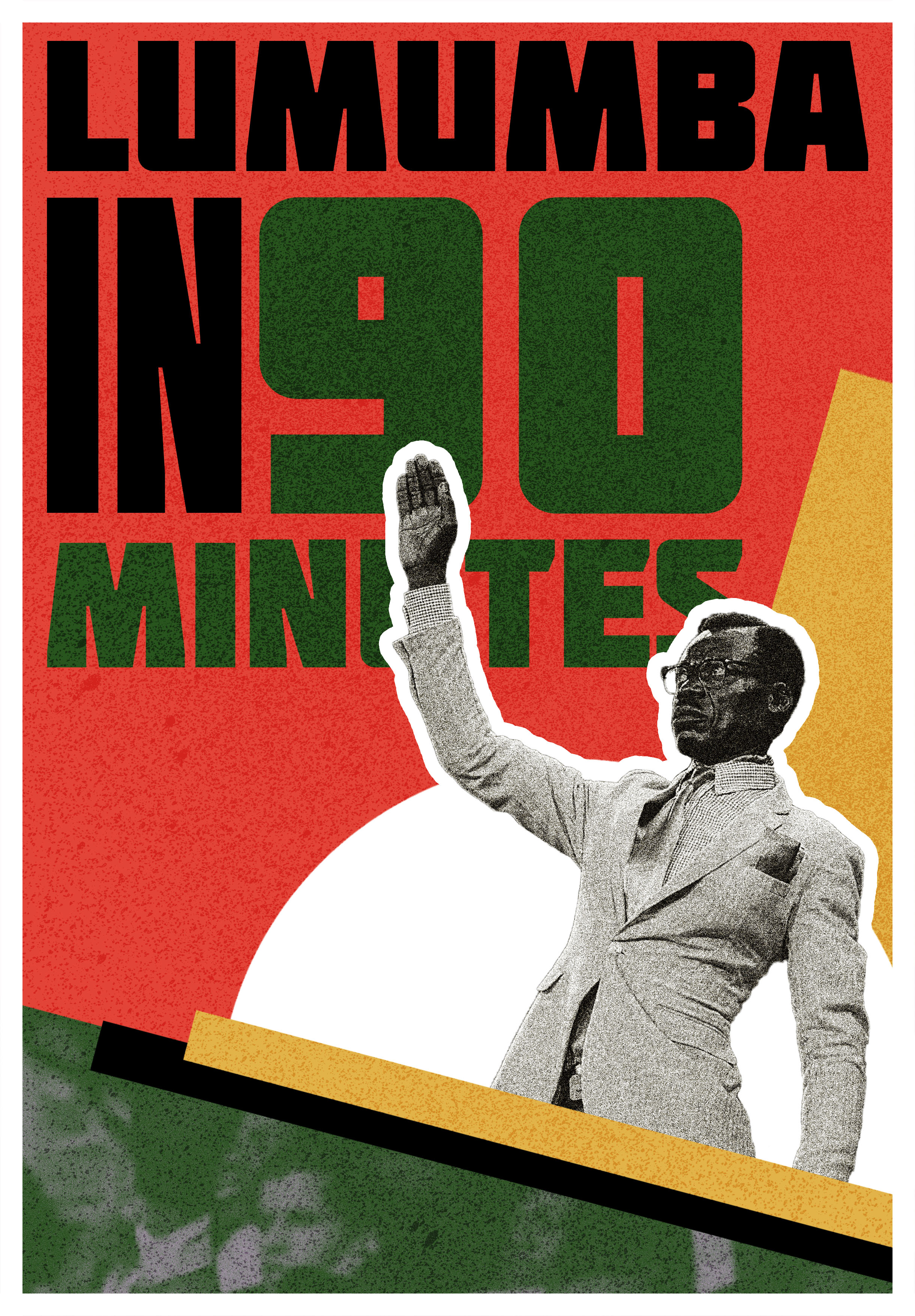
Thraets has published a new analysis of the online conversations surrounding the 2025 Africa Cup of Nations (AFCON) and has found that a tribute to the Congolese independence leader Patrice Lumumba evolved into a major global discussion about colonial history, memory, and justice.
Titled LUMUMBA IN NINETY MINUTES, the study examined over 10,000 social media posts and mapped how the story spread, who amplified it, and which themes resonated most strongly with audiences. While the moment originated during AFCON matches involving the Democratic Republic of Congo, the research shows that historical and educational content quickly overtook sports commentary in reach and engagement.
This all began when Congolese supporter, Michel Kuka Mboladinga, appeared at matches dressed formally and standing motionless with his hand raised in a pose associated with Lumumba’s statue in the DRC. The tribute drew attention from spectators, broadcasters, and eventually the Confederation of African Football (CAF), which publicly acknowledged the gesture. Images of the tribute circulated widely online, framing it as an act of remembrance within a high-profile sporting environment.
The conversation intensified following a Round of 16 match between Algeria and DR Congo, when Algerian striker Mohamed Amoura appeared to imitate the pose during a goal celebration. The moment was widely debated online, with reactions shaped by historical sensitivities and Lumumba’s symbolic role in African anti-colonial movements. From that point, the discussion shifted from football toward questions of historical responsibility, identity, and solidarity.
Digital analysis revealed a classic viral pattern, with activity rising sharply around key moments and then declining. A large share of engagement was concentrated within a short window. This demonstrated how quickly narratives can escalate when symbolic actions intersect with widely recognised historical figures.
Topic modelling showed that the most widely shared material focused on Lumumba’s assassination and its historical context. Although educational discussion accounted for a large portion of posts overall, content addressing the assassination itself generated the highest sharing rates. This indicated strong public interest in historical explanation and accountability.
Network analysis also highlighted how the conversation formed online. A small number of media and aggregation accounts played a central role in amplifying the story. And most users participated in smaller, loosely connected clusters. Language patterns revealed parallel conversations across audiences, with French-language posts often centred on the immediate controversy and regional political context, and English-language posts more likely to focus on historical interpretation and global relevance.
The findings indicate that major events can become platforms for broader public reflection and discourse. In this case, football served as the entry point, but memory, post-colonial narratives, and the enduring legacy of Lumumba as a symbol of African independence shaped the discussion that followed.
The Thraets Researchers also note that this episode illustrates the growing importance of digital spaces in shaping how history is discussed and understood. Online audiences used this event to revisit historical grievances, share educational resources, and debate responsibility and recognition.
As global sporting events continue to intersect with politics and identity, the AFCON Lumumba moment provides a clear example of how symbolic gestures can trigger conversations that travel far beyond the pitch, reaching international audiences and reshaping the narrative around both sport and history.
You can read more about this study here: https://lumumba.thraets.org/.
A longer, more detailed analysis of the study is also included as a PDF in this link: https://lumumba.thraets.org/report.pdf